AI Integration Strategies: From Pilot to Production
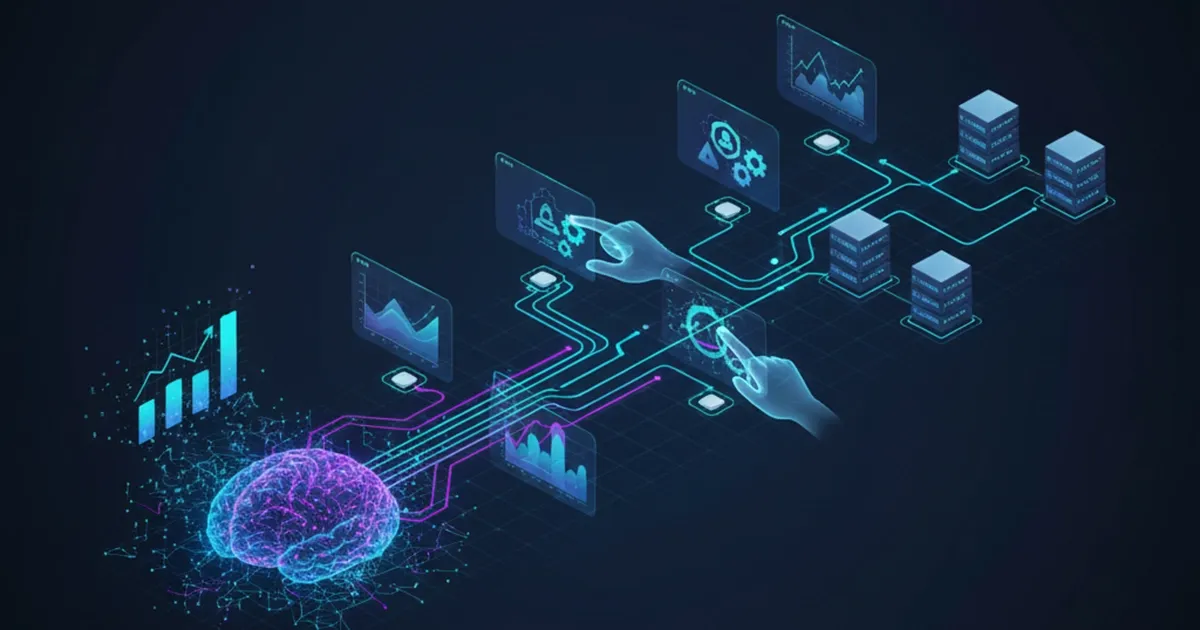
Many AI initiatives fail not because of technical limitations, but due to poor integration strategy. Here's how to bridge the gap between AI pilots and production systems.
Phase 1: Problem Identification
Start by identifying high-impact, well-defined problems where AI can deliver measurable value. Focus on processes with abundant data, clear success metrics, and significant business impact. Customer support automation, fraud detection, and demand forecasting are proven starting points.
Phase 2: Proof of Concept
Build a minimal viable AI solution focused on proving value, not perfection. Use existing tools and frameworks (OpenAI API, Hugging Face models) to validate the approach quickly. Set a strict 4-6 week timeline to maintain momentum and prevent scope creep.
Phase 3: Data Pipeline Development
Production AI requires robust data pipelines. Implement data validation, versioning, and monitoring. Your model is only as good as your data quality, and production data is always messier than pilot data.
Phase 4: Model Deployment & Monitoring
Deploy with comprehensive monitoring from day one. Track model performance metrics, data drift, and business outcomes. Implement A/B testing to compare AI-driven decisions against baseline approaches.
Phase 5: Continuous Improvement
AI systems require ongoing maintenance. Establish processes for retraining models, incorporating feedback, and adapting to changing business conditions. Plan for quarterly model updates at minimum.
Common Pitfalls to Avoid
Don't over-engineer the solution. Don't neglect change management. Don't skip the monitoring phase. Most importantly, don't try to boil the ocean—start small, prove value, then scale.
Success Metrics
Our clients typically see 30-50% efficiency gains in targeted processes within 6 months of production deployment. The key is maintaining focus on business outcomes rather than technical sophistication.